Club Culture: 50 Years of Influence on Music, Fashion, and Society
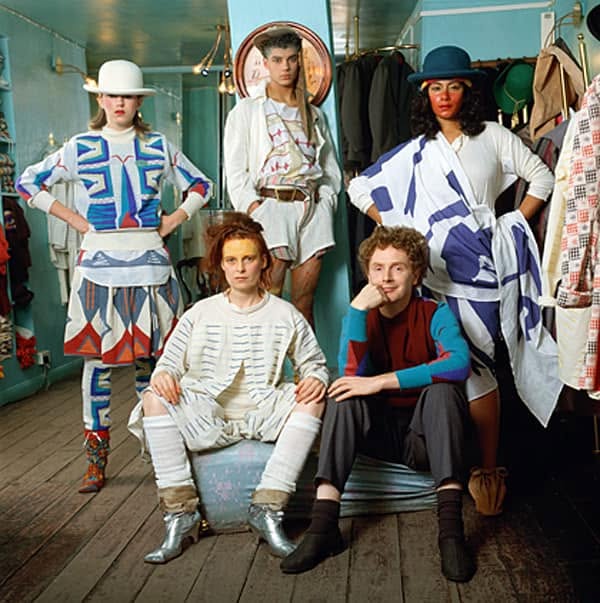
Club culture has roots that stretch back well before the 1970s, through earlier traditions of nightlife, live music, cabaret and social dancing. During the 1970s, disco helped bring new forms of dancefloor culture into wider public view. Those histories should not be confused with Berlin’s present-day KitKatClub, which was founded in 1994.
At the heart of this movement are not only DJs and clubbers but also art directors and creatives who defined the look and themes of club nights, transforming them into true laboratories of artistic expression. Each night in a club became a total sensory experience, with meticulously curated aesthetics: from lighting and set design to performances and costumes. DJs were the masters of sound, while art directors orchestrated the visual concepts, making each event unique and memorable.
Take, for instance, voguing, rooted in New York’s Black and Latino LGBTQ+ ballroom communities and brought to wider visibility in the late twentieth century. It wasn’t just a form of dance but a subculture where fashion and performance intertwined. Fashion, performance and self-invention became inseparable parts of the scene’s visual language. But even in the 1970s, clubs like Studio 54 in New York had already pioneered this fusion of art and fashion. With founders Steve Rubell and Ian Schrager, the club became famous not only for its music but for its theatrical atmosphere, opulent set designs, and eclectic mix of celebrities and creatives. Elio Fiorucci, the Italian fashion designer, fell in love with the creative energy of New York’s nightlife, translating it into his brand, which became synonymous with playful and avant-garde style.
In London, the Blitz Club of the 1980s was a beacon of creativity and innovation. Hosted by Steve Strange and DJ Rusty Egan from 1979, the Blitz became a hub of aesthetic experimentation. The broader exchange between club life, art schools and fashion helped define the New Romantic imagination. Fashion became an extension of the creative freedom experienced in the clubs, with daring uses of fabrics and cuts.
Similarly, in Milan, Plastic played a central role in creating a distinctive aesthetic. Nicola Guiducci, both DJ and art director, curated every detail of the nights, turning the club into a temple of visual and musical experimentation. Designers like Gianni Versace, Dolce & Gabbana, and Elio Fiorucci were drawn to Plastic’s creative energy. Fiorucci, already pioneering in merging pop culture and fashion, found further inspiration in the club’s eclectic atmosphere, where nights were dedicated to celebrating individuality and personal expression.
Thus, club culture not only gave birth to new musical genres like house and techno but also inspired aesthetic movements that have left an indelible mark on the fashion world. Clubs became places where clothing was no longer just functional but an art form. Clubbing gave dressing up another setting and another purpose: to express who you are, to find a community, and to tell your story.
Today, five decades later, club culture continues to influence global fashion runways. Many of the styles and trends we see in major fashion shows around the world have their roots in the clubs of the ’70s, ’80s, and ’90s. From Mugler’s provocation to Versace’s glamour, the aesthetics of nightlife live on, continually redefining what is “in fashion.”
But club culture’s influence isn’t limited to music and fashion; it has also created spaces for social inclusion. Clubs have been sanctuaries for marginalized communities, such as the LGBTQ+ community, offering places where people could express their identities more freely, even though exclusion and unequal access have also been part of nightlife’s history. These venues fostered cultural resistance movements, challenging societal norms and stereotypes, and helping to change the course of contemporary history.
To demonize club culture is to overlook the profound impact it has had on society, music, and fashion. In an increasingly fragmented world, clubs remain important spaces of human and creative connection, where experimentation and expression continue to take center stage.
Archive and editorial notes
English edition of the supplied essay. Historical references have been clarified for this website edition. London Museum: Steve Strange, Rusty Egan and the Blitz · visitBerlin: KitKatClub, founded in 1994.