Malta Beyond the Rainbow Postcard: The Community Behind the Welcome
A strong legal framework, a lively Pride programme and unfinished work: looking beyond the holiday image of queer Malta.
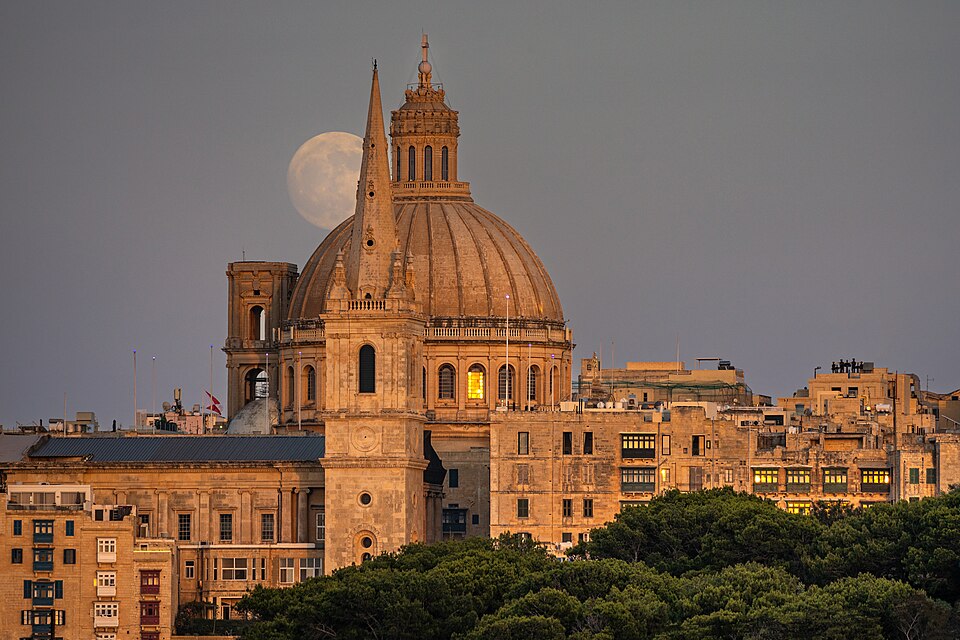
When I think about a queer trip to Malta, I understand the immediate attraction: a Mediterranean setting, the possibility of a night out, and the relief of choosing a destination with substantial legal protections. But I want to know who makes that welcome possible.
Behind a destination’s reputation are people organising, campaigning and building places to meet. Malta’s story becomes more interesting when we give those people the same attention as the postcard.
A European leader, with a new position in 2026
ILGA-Europe’s 2026 Rainbow Map places Malta second among 49 countries, behind Spain, with a rounded score of 88%. Spain taking first place ends Malta’s decade at the top. This measures laws and policies; it is not a survey of whether every LGBTQ+ person feels safe or welcome in everyday life. ILGA-Europe, Rainbow Map 2026
Outright International’s country overview describes marriage and adoption rights for same-sex couples, legal gender recognition based on self-determination, and recognition of an X gender marker. It also records Malta’s landmark protection against medically unnecessary interventions on intersex children. Those are meaningful foundations for a life, not simply attractions for visitors. Outright International, country overview updated March 2026
I would be careful about treating a change in ranking as evidence that those rights have disappeared. A comparative table can move because another country advances. The useful question is what remains to be done.
The scene is built through participation
Allied Rainbow Communities, or ARC, gives a clear answer to why community work still matters. Its stated purpose includes building connections, organising Pride and creating opportunities for participation. The organisation explicitly recognises that legal reform is only part of equality. ARC: who we are and what we do
That distinction is where I would begin exploring Malta’s gay scene. A visitor sees the evening they happen to attend. Residents live with the question of where they can return, who understands them and what support is available when a celebration ends.
ARC’s community directory points to several different kinds of work: MGRM’s rights advocacy and services, LGBTI+ Gozo’s activities, and Drachma’s engagement with sexuality and spirituality. This is a community with different needs and experiences, rather than one audience waiting for the next party. Local LGBTQ+ organisation directory
What this year’s Pride programme tells us
Malta Pride’s official site advertised its 2026 programme for 4–13 September, including a Gozo march on 5 September and a Valletta march on 12 September. Those dates are now past; they are evidence of this year’s activity, not invitations to an upcoming event. Malta Pride
The published calendar combined exhibitions, community gatherings and nightlife, including a Michelangelo party and Lollipop collaborations. The range matters: a scene needs cultural and social occasions as well as dancefloors. Official 2026 programme archive
For a future trip, I would start with current local announcements rather than assume that a September venue, timetable or party operates in the same way all year. I would rather recommend one verified evening than recycle a long list of names whose status is uncertain.
Equality still has practical gaps
ILGA-Europe’s current Malta recommendations call for a stronger anti-discrimination framework, clearer asylum protections on sexual orientation, gender identity and expression, and sex characteristics, and comprehensive trans-specific public healthcare. These are specific policy priorities, not a rejection of the country’s achievements. ILGA-Europe: Malta recommendations
They also change how I read the island’s success. The experience of an established couple on holiday may differ from that of a trans resident seeking care or an asylum applicant trying to navigate a system. A responsible magazine should keep those experiences in the frame.
How I would approach a visit
I would make room for the pleasure of being there: music, conversation and the possibility of meeting someone who becomes a friend. I would also use local community calendars, respect photography preferences and avoid assuming that a welcoming reputation means every space works for everyone.
Most of all, I would listen. Malta’s queer community has done the work that makes the destination attractive. Visitors have an opportunity to support that work by paying attention to the people, performers, venues and organisations sustaining it.
That is the Malta I want A GAY Mafia to explore: a place where substantial progress gives us something to celebrate, and where listening carefully gives us a fuller story.