Massimo Paramour: The Musician Behind the Dancefloor
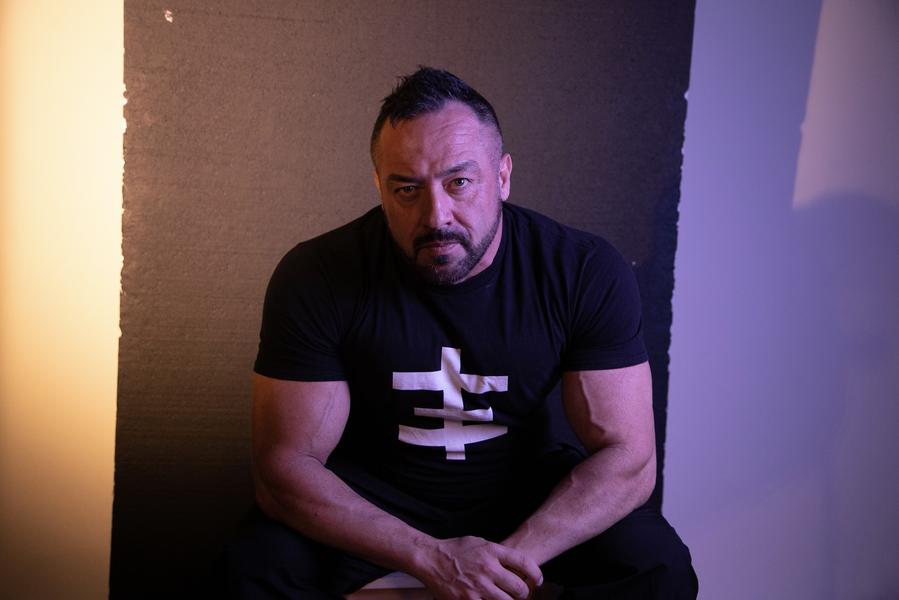
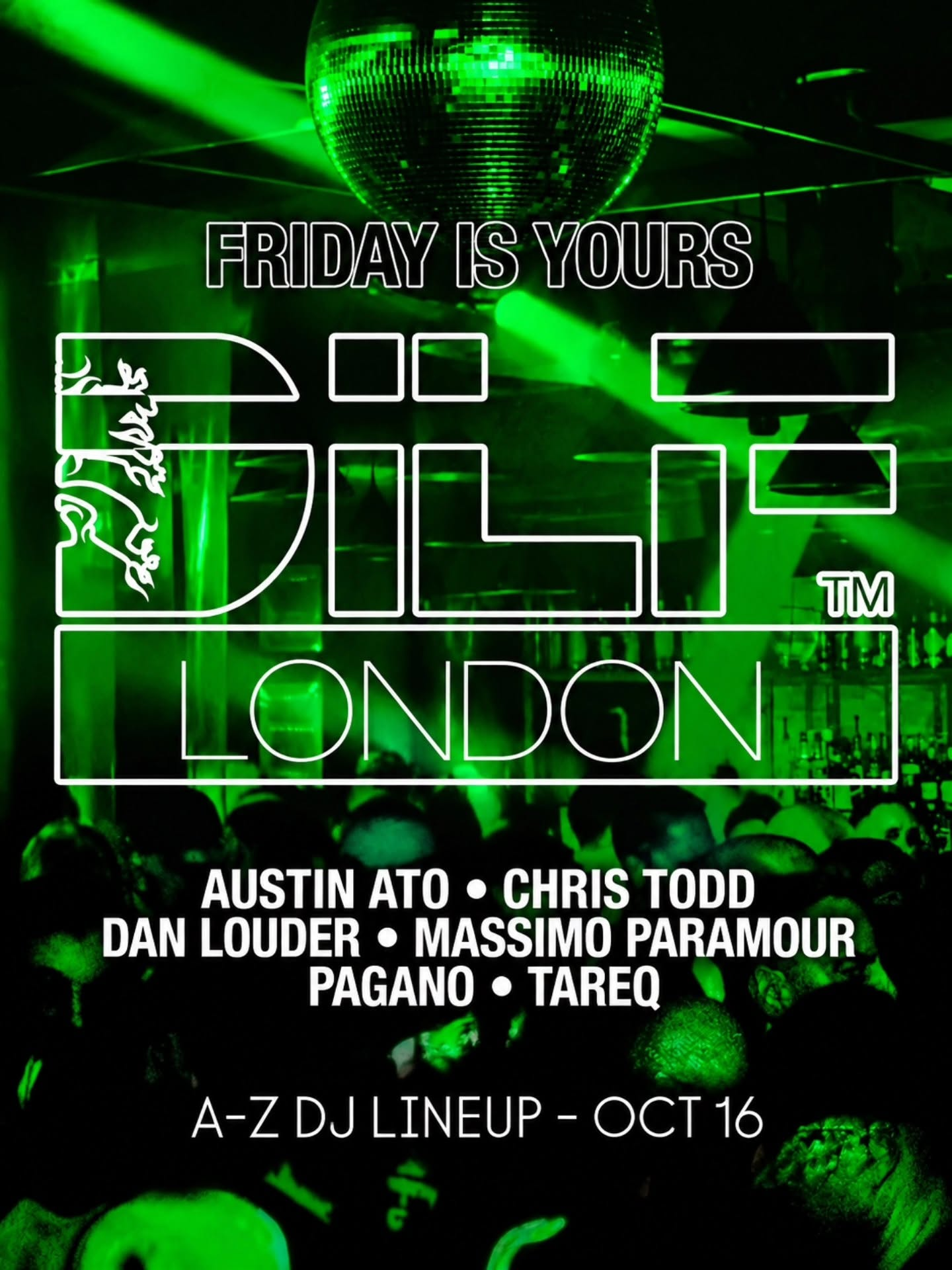
From the organ loft to Italian dance studios, London’s queer clubs and the electronic songs of OH!, Massimo Braghieri has built a career around the possibilities of music. His story brings the composer, producer and DJ into the same frame.
There are artists whose careers make more sense when we stop following genres and start following people. Massimo Paramour is one of them. Under the name Paramour, and his own name Massimo Braghieri, the London-based Italian musician has worked across composition, arrangement, production, engineering and DJing. His credits connect the machinery of 1990s Italian dance music with vocal house, queer nightlife and a renewed engagement with post-punk and synth-pop.
What interests me is the continuity beneath those changes. The club DJ, the studio collaborator and the musician writing for moving images all work with structure, atmosphere and time. Paramour’s career offers a way to understand how those skills travel — and how much artistic life can exist behind a name on a party poster.
A musical education, and an appetite for other sounds
Cafe OTO’s artist biography traces Braghieri’s education from childhood to a master’s degree in organ and composition. It describes work as an organ soloist and choirmaster, alongside involvement in avant-garde bands and the Italian new-wave underground. The same account records his countertenor work with the madrigal ensemble Fosco Corti, theatrical composition and arrangements for the folk group Enerbia.
That breadth is a useful starting point. Classical study and electronic music need not be successive identities, with one replacing the other. In this case, the documented work suggests several interests developing alongside one another: instrumental performance, vocal writing, experimentation and the practical craft of arrangement.
For me, the revealing question is how a musician puts that experience to use. Playing a part, shaping a singer’s arrangement and building a club record involve different decisions. Paramour’s biography gives us reasons to look at each of those roles rather than allowing the most visible one to stand for everything.
1994: entering the Italian dance industry
His professional electronic-music story becomes more specific at Media Records in 1994. The Paramour biography on Beatport describes him working as a keyboardist and arranger and contributing to material for Cappella, 49ers and Sharada House Gang. It places his involvement with Heartbeat Records in 1996, alongside producers including Ralphi Rosario, Ashley Beedle, Gemini, Roc & Cato, Chris Coco and A Man Called Adam.
These are credits in a collaborative industry. Their significance lies in the work: playing, arranging, co-writing and producing within a network of musicians and producers. The history of a dance record is often shared between people whose names occupy very different amounts of space on its sleeve.
The Traxsource artist biography describes a subsequent New York period and remix work associated with De’Lacy, Shawnee Taylor, Jimmy Somerville, Tito Puente, Angie Brown and Jocelyn Brown. It dates his London base to 2004 and records arranging and composition across studio projects, advertising, exhibitions and cinema. Together, those accounts establish a career in music production well before his later visibility as a club DJ.
London and the queer dancefloor
Fierté Montréal’s official artist profile identifies Megawoof in 2008 as a turning point in his DJ career and describes a combination of indie-dance, nu-disco and deep-tech influences. That festival biography places his club work within a longer history of performance and electronic production.
Level49’s retrospective records appearances across London’s queer circuit, including Trade, A:M, Matinée, Beyond, Room Service and Trough, and venues such as Fire, Egg, Ministry of Sound and Scala. These are historical career references. They describe the range of environments in which he has worked, rather than a list of present-day residencies.
There is a recent documentary trail, too. Resident Advisor’s event archive records Paramour on the programme for Revolver’s July 2025 Pride weekend and November 2025 party at OST in Berlin, and Trough London in December 2025. Those dated listings make the international connection tangible.
I want a queer music magazine to take that work seriously on its own terms. A dancefloor is a social space, but it is also a musical setting with its own demands: pacing, attention, tension and release. Following an artist across different rooms can tell us more than the familiar promise that every night will be unforgettable.
The records: Per QX, Pagano and vocal-house collaborations
“Ready 4 This”, made with Per QX, provides a concrete route into Paramour’s club productions. The release catalogue dates it to 12 February 2016 on Glasgow Underground. The label’s own release page identifies remixes by The Golden Boy and Sick Elektrik and documents BBC Radio 1 support from Pete Tong and Danny Howard.
The relationship with Pagano is also audible in the catalogue. KULT Records’ Digital Generation, released in 2011, includes a Massimo Paramour remix of “Loca 2011”. It is a specific example of the production connections running alongside their overlapping club careers.
With Gianluca Pighi, Paramour’s work also follows the possibilities of the human voice. “Hymn” features Robert Owens and appears in several mixes on Mint Condition Records. The label describes instruments played live in the studio; the multiple versions offer listeners a way to explore how one composition can be developed for different settings.
Release dates need a little care here: Mint Condition’s page is dated July 2017 and carries 2016 copyright information. The appearance of Hymn in a 2026 streaming catalogue should not erase that earlier history.
“Love Around the World”, with Kenny Bobien, extends the Pighi–Paramour partnership. Makin Moves’ distributor lists the vocal and instrumental versions in September 2023. Those two versions are particularly useful for exploring a production: the instrumental gives the arrangement its own space, while the vocal version places the singer within it.
OH!: returning to post-punk roots
The partnership with Pighi opens into another chapter through OH! and the 2026 album We Come In Peace. In their Bspoque interview, the duo describe a relationship that began through a mutual friend in 2001. Lockdown later gave them time to develop ideas beyond their established dancefloor projects.
The Huldigung double-vinyl release contains 16 tracks and brings together collaborators including Alexander Price, Lavonz, Tareq, Sarah P., Dee Sada, Local Suicide, Fred Ventura, iDA fLO and Astou. Its range of voices makes the album a collaborative undertaking as well as a meeting between two producers.
Speaking to Chi Ming Lai for ELECTRICITYCLUB.CO.UK in July 2026, Paramour explained that new wave, goth and industrial music preceded his dance productions. He described OH! as a return to that foundation. The duo outlined a hardware-led process without VST instruments or software samples, while emphasising that the songs guided their decisions.
The interview supplies more personal details about those influences: Paramour connects “Inside a Dream” to the sequenced soundtrack world of John Carpenter and discusses his affection for DEVO. Those references help explain the project’s creative background without reducing it to nostalgia.
I find this chapter especially interesting because it gives an established producer permission to be curious again. A career built around clubs can contain songs intended for other kinds of attention: a voice, a lyric, a texture or a memory that unfolds away from a crowded room.
Composition, production and the work beyond his own name
Paramour’s official links direct listeners to Temple (Original Score), credited to Massimo Braghieri, and to Alexander Price’s The Storm EP, identified there as a production project. They also collect recorded DJ sets, including Torture Garden’s September Ball 2024 and Trough London’s seventh birthday.
In the Bspoque interview, he describes continuing work as an arranger and producer for independent artists, alongside experimental plans with Dee Sada. That studio activity is essential to the portrait. It places his own releases within a broader working life in which another artist’s song may be the centre of the day.
The most useful introduction to Massimo Paramour is therefore a varied listening list: Ready 4 This for the Glasgow Underground collaboration; Hymn and Love Around the World for the vocal productions; We Come In Peace for OH!’s songs; and the artist’s recorded sets for a different view of his musical choices.
What emerges is a musician whose identity has room for several practices. The DJ connects records in public. The arranger and producer help shape them in the studio. The composer begins with another kind of blank page. Following Massimo Paramour through all three is where his story becomes most rewarding.
Sources and further listening
This reported profile draws on the linked artist biographies, original interviews, label announcements, release credits and promoter listings. No interview with A GAY Mafia or attendance at a particular performance is implied. Historical club appearances are distinguished from current bookings. Researched and updated 26 October 2026.
Massimo Paramour — official music and social links · Artist Bandcamp · OH! interview, ELECTRICITYCLUB.CO.UK · OH! interview, Bspoque.