MAX DEL PRINCIPE — The resident DJ and the feeling of belonging
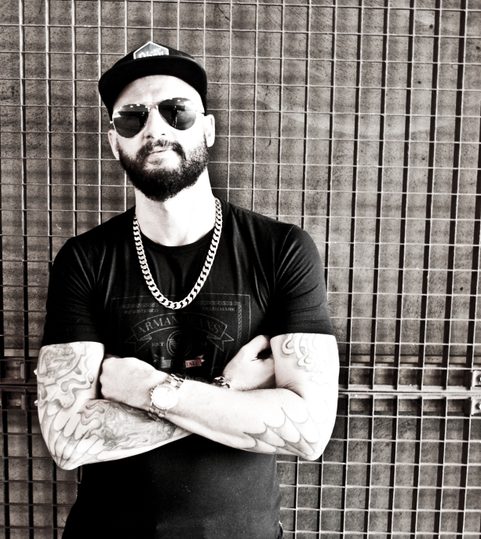
One detail in Max Del Principe’s Club Church profile stays with me. Asked about the atmosphere he wants to create, he talks about people being themselves, laughing with friends and recognising a vocal they can sing together. That is a way of describing nightlife I understand immediately.
His route to the booth was European in a very personal sense. Born in Milan, he lived in Nice and Paris before moving to Amsterdam in 1998, according to his Amsterdam Dance Event biography. Private parties and bar bookings came first; an invitation to Club Church led to a residency.
I find the small scale of that beginning appealing. A resident works with the possibility of return: the familiar face, the friend brought along next week, the person gradually becoming comfortable in a room. That relationship deserves a place in how we write about DJs.
Club Church’s own profile identifies his musical territory as funky house, uplifting vocal house and circuit house. An archived set on his SoundCloud, Club Church ADE 2014, offers a documented example of that long connection to the venue. It is an archive recording, not a preview of his next performance.
The recording is also a useful invitation to follow a DJ across time. An artist’s history lives in the rooms they return to, the selections they share and the audiences who make those nights part of their own lives.
At La Demence, Max is scheduled to follow Andrei Stan in the ING Arena Main Room from 02:00 to 04:30 on Sunday 1 November, before handing over to Pagano.
I would love to hear how that experience of building familiarity translates to an arena full of visitors. Even at a large event, belonging can begin with something small: a shared smile, a familiar refrain, somebody making space. His own description of the dancefloor gives me a warm reason to look forward to the set.