Diego Longobardi and Muccassassina: The Care Behind the Spectacle

A personal appreciation of the theatre, curiosity and collective work behind one of Rome’s enduring queer institutions.
When I think about what makes a queer night matter, I think about the person arriving alone. Someone who has spent the week measuring their words, adjusting their clothes or wondering whether they will be welcome. The party has already begun to mean something before the first favourite record plays.
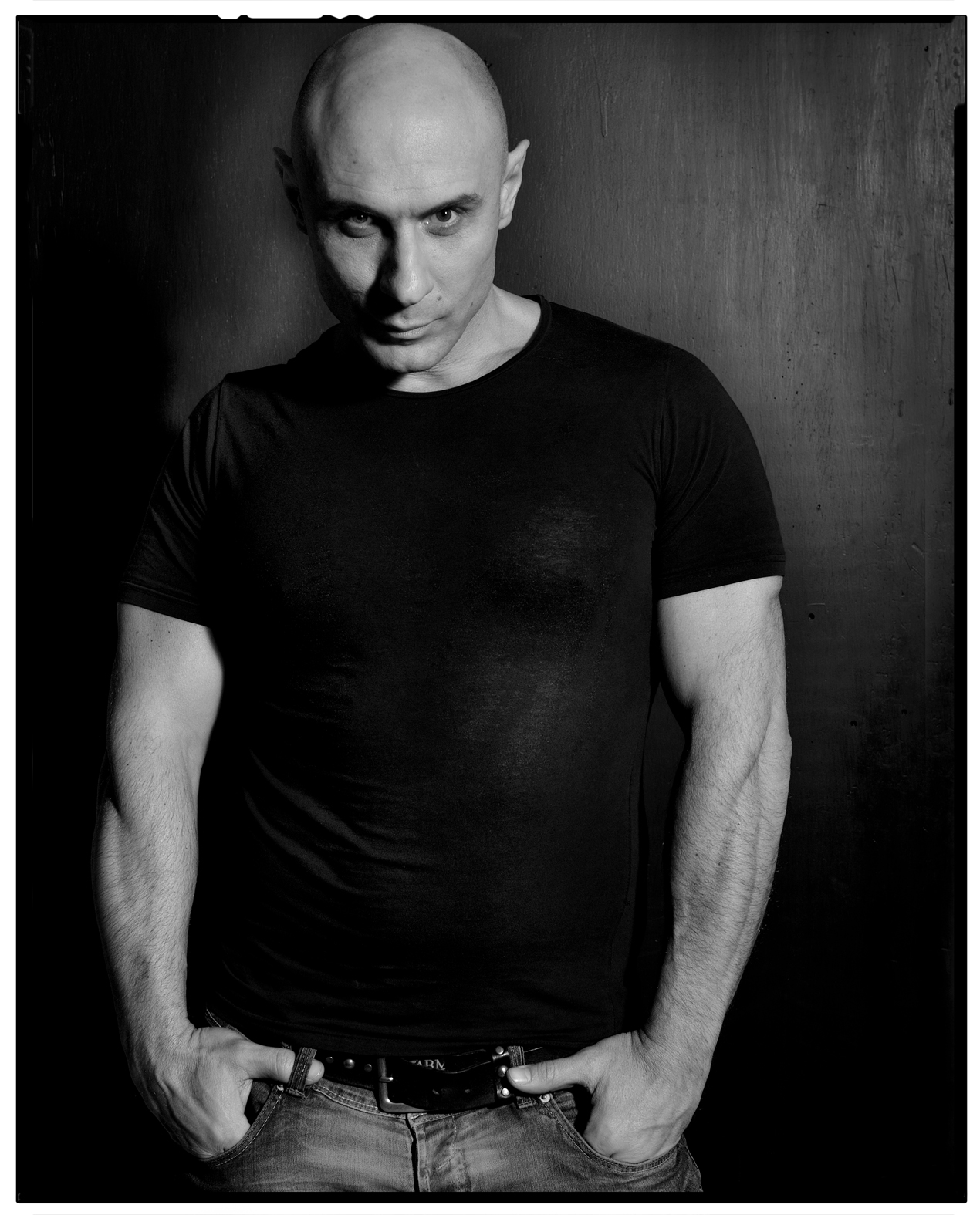
That is why I want to write about Diego Longobardi. Behind the name Muccassassina, the costumes and the anticipation of another Friday, there is a creative responsibility I admire: keeping a familiar place alive without expecting its audience to remain the same.
The theatre in his way of seeing
Longobardi’s official biography traces his training back to a children’s theatre workshop at thirteen, followed by acting and singing studies. Its credits span classical theatre, musical performance, cinema and television, including work with Giuseppe Patroni Griffi, Isa Danieli, Paolo Villaggio and Johnny Dorelli. The Circolo di Cultura Omosessuale Mario Mieli entrusted him with Muccassassina’s artistic direction in 2005. The same biography credits his work on Rome’s EuroPride 2011 artistic programme. Official biography
For me, that theatrical education helps explain the questions worth asking about his club work. Where does a performance begin? What does an entrance communicate? When should the room watch, and when should it be released back into dancing?
A good idea can be described in a sentence. Making it communicate to a room full of people is another craft altogether.
Every detail is a decision
In an October 2005 Nightguide interview, just as he was taking on the role, Diego described wanting the whole production to function with precision. He explicitly connected his theatrical experience to checking the smallest details and identified sound and lighting as central to his approach.
He also described balancing different musical identities across the Qube’s floors: pop and staged performance, another room’s distinct musical character, and house with visiting international guests. Crucially, he brought the conversation back to the audience and the atmosphere people create together. Nightguide interview, 12 October 2005
I find that early testimony more revealing than a long string of superlatives. The attention was there at the beginning. My admiration is for the discipline it expresses: taking pleasure seriously enough to give it structure.
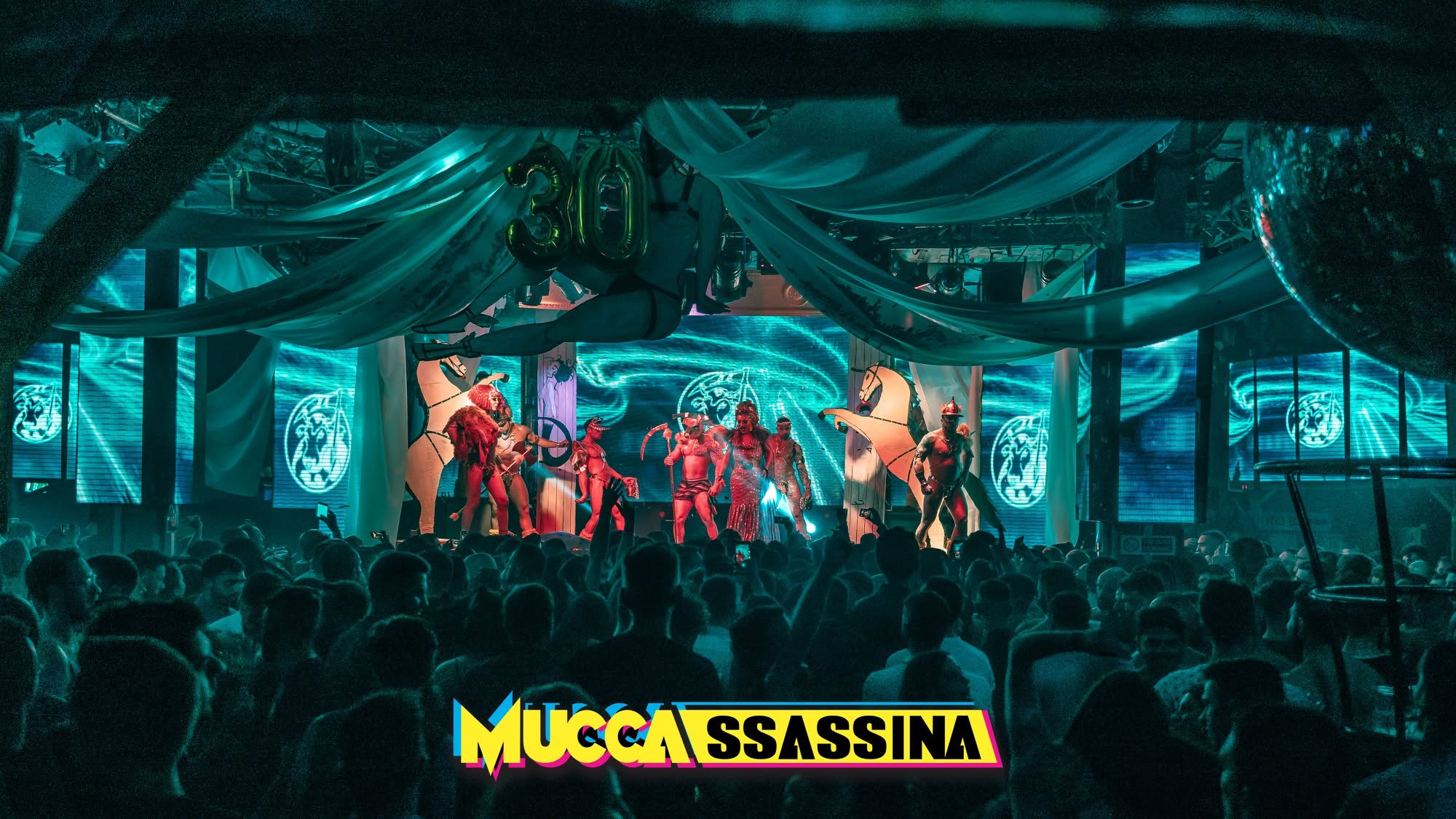
A lighting cue, a costume’s movement and the space left for a performer can change how an idea reaches us. These are the kinds of choices through which I understand artistic direction. They give the audience something to feel, even when nobody stops to name the work involved.
Renewal with a purpose
The 2026–27 season is presented as Metamorfosi. In his published introduction, Longobardi connects transformation with changing bodies, identities and desires, and with the freedom to choose who to become. The programme includes titles such as Matrix – Afrofuture, Versailles – Royal Temptation and Dancescopia. Its production credits name Longobardi as creative director, Federico Patrizi for choreography and Emska for costumes. Official season presentation and credits
Those titles alone cannot tell us whether every night succeeds. What they do show is a programme built around changing imaginative worlds. My reading is that this is where research becomes valuable: when references are developed into a coherent invitation to the public.
I want novelty to mean more than a different poster. I want a format to open a possibility — for another kind of performance, another musical encounter, another person who has not yet found their place on stage.
Making space for someone new
The official archive offers a concrete example in Abracadabra. Its summer programme put Astromegan and Heidi Porè into a competition linked to a place on the following winter season’s stage, with Farida Kant and Priscilla Favolosa hosting and Melissa Bianchini appearing. Longobardi and Patrizi are credited for artistic direction and choreography. Abracadabra programme
That is a specific format with a potential consequence for a performer. It is the sort of detail that interests me when we talk about supporting talent. A stage becomes culturally useful when it can introduce people as well as celebrate established names.
Muccassassina’s Talkshock archive adds another dimension, bringing together conversations with figures from entertainment, music and queer culture, including Vladimir Luxuria, Paolo Camilli and Lilith Primavera. The club’s published record extends beyond the hours of dancing. Talkshock interview archive
A history shared with others
Giving Diego his due also means recognising the history he entered. In her 2023 AUT Magazine interview, former artistic director Vladimir Luxuria remembers the party’s earlier evolution, its connection to the Mario Mieli circle and the practical responsibilities of keeping it running. She also praises Longobardi’s work. Vladimir Luxuria in AUT Magazine
I would never reduce such a collective story to one heroic figure. Choreographers, DJs, drag artists, dancers, costume makers, technicians and the people welcoming guests all contribute to the result. Respecting a director’s work includes seeing the collaborators through whom an idea acquires its life.
The human measure of a good night
In a 2018 Gaynews interview, Diego emphasised professionalism, simplicity and relationships with the public. He also described the connection with the Mario Mieli circle and the information and support available through Infomieli at that time. His answers placed the club within a wider community of care. Gaynews interview, 28 January 2018
That is the part I find most moving. A queer party can offer relief from a difficult week, an introduction to a friendship, or the simple pleasure of being visible without having to explain oneself. None of those experiences can be guaranteed by a famous name on a flyer.
For me, the care in Diego’s work is best understood through that ambition. To keep looking. To keep proposing. To respect the audience enough to offer it another reason to return.
We often remember the image that dazzled us. I want to make room for the sustained work that allows such an image to exist — and for the people who start imagining the next one.
That is my appreciation of Diego Longobardi: an artist whose documented attention to detail gives me a reason to look more closely at the night itself.